JVC's USA PATRIOT Act Frequently Asked Questions

For Anti-Money Laundering Compliance Dealers
In Precious Metals, Stones Or Jewels

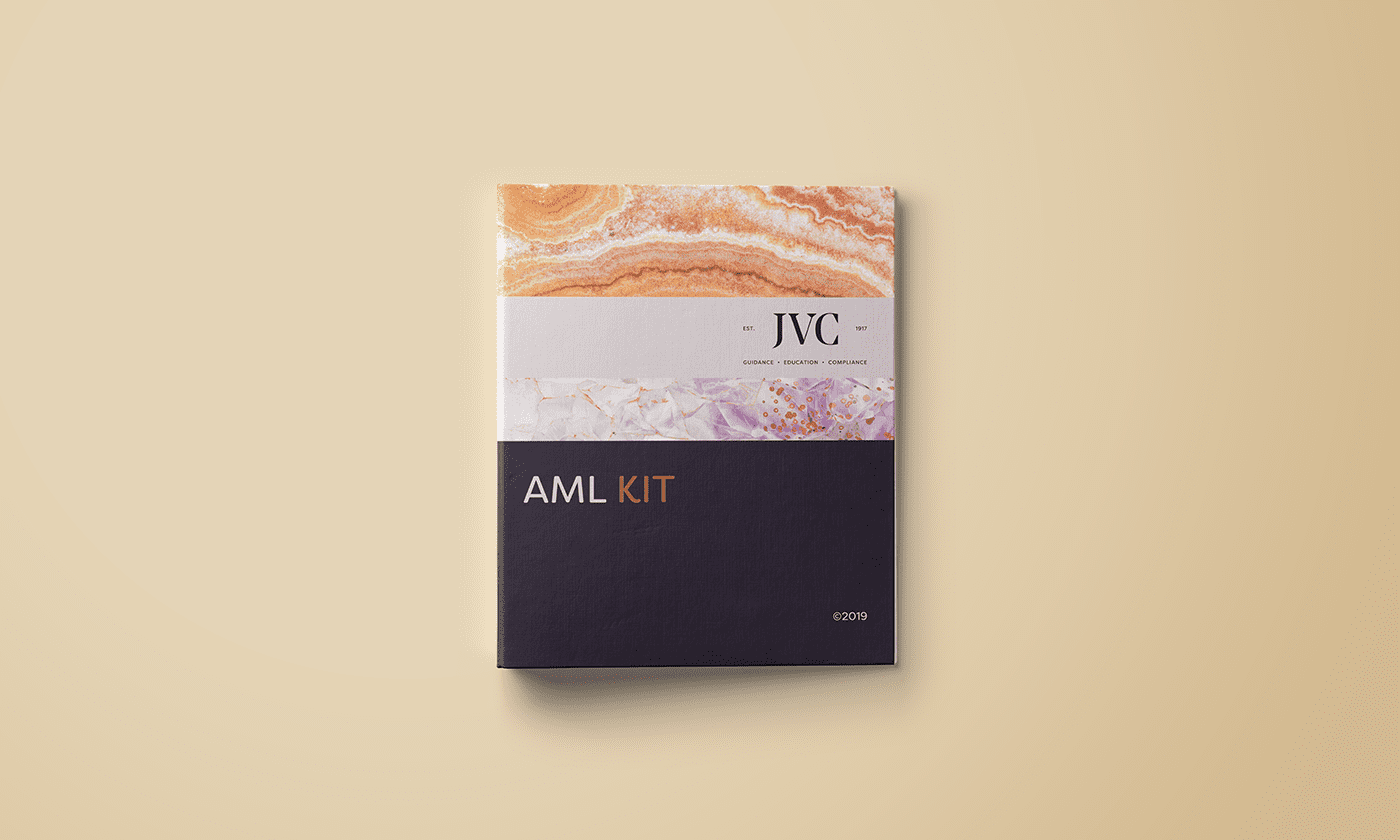
 Following are new FAQ's to clarify steps jewelry manufacturers and retails need to follow to develop their anti-money laundering (AML) programs. Click here for information on JVC's USA PATRIOT Act Compliance Kit (PACK) - an easy-to-use program to help you comply with the USA PATRIOT Act.

Q. I have received many letters from my vendors asking about whether I comply with the USA PATRIOT Act. Under the rules, I am an exempt retailer and have no compliance obligations. What should I tell the senders of the letter?

A. If you are a retailer who does not have to comply because you qualify for the retailer exemption (you only buy from dealers who themselves comply), then you should inform your vendors of that fact. You will still have to provide identification information, if asked, in order for your vendors to complete their program.


Q. I am an international company with no presence of any kind in the U.S. I have many retail customers in the U.S. who buy goods from me, either via the internet, or because they visit me at the Hong Kong and Bangkok trade shows. Do I need to comply?

A. If you have no physical presence in the U.S., you have no need to comply with U.S. law. However, if you choose to comply with the USA PATRIOT Act, you may reassure your retail customers that you are implementing an anti-money laundering program, even if your local jurisdiction does not require it. If your local jurisdiction does require an anti-money laundering program, you would be advised to inform your U.S. retail customers that your are fully compliant with your own legal obligations in this area.


Q. I am a foreign company. I exhibit annually at a few trade shows in the U.S. Do I need to comply with the USA PATRIOT Act?

A. Yes. If a foreign entity has a physical presence in the U.S., including exhibiting even at only one trade show, and you otherwise fit the definition of a "dealer," then the company must comply with the USA PATRIOT Act requirements. The JVC PACK can help you to understand the rules, and how to best comply.


Q. When will the IRS begin to examine dealers for compliance?

A. The IRS, which is the agency assigned the responsibility to enforce the USA PATRIOT Act rules, began to perform examinations for dealers as of June 2006.


Q. If the IRS is going to examine my AML compliance program, what should I have ready?

A. You should have all of the documentation you created appointing your compliance officer, performing your risk assessment, creating your written AML program and records of your employee training. If you have tested your program, you should have that documentation as well. If you have had incidents where you have made inquiries pursuant to your program, or filed any documents with the government, or responded to inquiries, etc. you should have documentation on this as well.


Q. If the IRS is examining my company for AML compliance and I have not yet performed the testing because I have not had my program in place for one year, am I out of compliance?

A. No. Your AML policy should state when the program would be tested, usually within one year from inception. Therefore, if you are examined in advance of that one-year, you do not need to perform the testing in advance of the period set out in your program.


Q. I received a check from the brother in law of my customer in payment for some product that I sold. What should I do?

A. You should make an inquiry of your customer. Find out why you have received this third party check. If you are satisfied with the answer, you may proceed. However, your customer identification policy would require you to fully identify this third party who is now involved in the transaction.


Q. I am a manufacturer, but did not do business (buying and selling precious metals, stones or jewels) in the amount of $50,000 this year.  Next year, however, I got a new contract worth $200,000. When do I need to comply?

A. Technically, when you reach $50,000 in gross proceeds from the purchase and sale of precious metal, jewels and stones, your compliance obligation starts. But why wait? You know you will reach the threshold next year - so get going!


Q. Am I required to comply with the AML regulations for dealers in precious metal, stones or jewels?

A. If you buy "covered goods" in an amount in excess of $50,000 during 2007 and receive more than $50,000 in gross proceeds from the sale of "covered goods" during the same period, you must comply as of January 1, 2006. There are important exceptions for retailers.


Q. What are "covered goods"?

A. Covered goods are precious metals, stones, jewels (as defined in the rules) and finished goods which derive 50% or more of their value from jewels, precious metals or stones contained or attached to such finished goods.


Q. How do I calculate the value to determine if my business activities meet the $50,000 threshold?

A. The value you use to calculate the $50,000 threshold includes only the value of the precious metal, stones or jewels or which is contained or attached to a finished product, without including labor charges, overhead or profit margin.


Q. Are there any exceptions to complying with the AML regulations for dealers in precious metal, stones or jewels?

A. If you are a retailer, and buy only from suppliers who are covered by the rules in the U.S. who are implementing an AML program, you do not need to implement your own program.


Q. If I am a retailer and buy from members of the public who are not "dealers" (as defined in the PATRIOT Act rules) must I comply with AML regulations?

A. If you buy precious metal, precious stones, jewels or finished goods from members of the public or anyone not otherwise covered by these rules (such as foreign sources of supply) in an amount in excess of $50,000 you must implement an AML Program and Policy. As a retailer, your AML program would address those purchases.


Q. If I am a retailer and take trade-ins from members of the public of items previously purchased from my store, must I comply?

A. If you accept trade-ins from your customers of covered goods (precious stones, jewels, precious metal or finished goods which derive 50% or more of their value from jewels, precious stones or precious metals contained or attached to such finished goods) and the transaction does not include providing funds of any kind to the customer offering the trade in, these transactions are not included in your calculation of the $50,000 threshold.


Q. If I am a retailer and take in trade-ins of items purchased from my store or from other stores, must I comply?

A. Again, as long as the trade in does not include providing funds of any kind to the customer, you need not include these transactions in determining if you must comply.


Q. OK, as a retailer, I do buy more than $50,000 of precious metal, precious stones, jewels and finished goods from the public, and resell them in my store. Do I need to comply?

A. If you sell jewelry containing more than $50,000 in jewels, precious metals and precious stones and the value of the jewels, precious metals and precious stones comprised more than 50% of the selling price of the jewelry and you purchased more than $50,000 in covered goods from the public in a form other than as a trade-in, you would have to comply. Your AML program would only have to address the risks associated with those purchases from non-dealers.


Q. If I am a retailer and buy in excess of $50,000 of precious metal, stones or jewels from companies not otherwise covered by the rules (such as foreign-based suppliers), must I comply?

A. If you purchase in an amount in excess of $50,000 of covered goods from companies who are not covered by the laws of the United States and therefore not implementing an AML Program and Policy under the laws of the United States, you must comply. Remember, for the purpose of determining your exception status as a retailer, calculate only the value of the precious metal, stones or jewels in the products you buy. Further, as a retailer, your AML program would only have to address risks associated with those purchases from foreign sources of supply.


Q. OK, as a retailer who buys more than $50,000 in covered goods from a foreign source of supply, must all my retail activities be addressed in my AML program?

A. No. If you are a retailer and buy more than $50,000 from foreign sources of supply, your AML program need only address the money laundering risks associated with the purchases from your foreign supplier.


Q. I am a retailer, and I buy from estate sales and U.S. government sponsored sales. Need I comply?

A. If you are a retailer, and buy more than $50,000 in covered goods from non-dealers such as estate sales, auctions, U.S. government sales, bankruptcy sales, etc., you must comply. Your program would address only those purchases.


Q. If I am a person who is a hobbyist - just collecting and sometimes trading or selling items which include precious metal, precious stones or jewels, do I need to comply?

A. As long as this activity does not amount to $50,000 purchases or gross proceeds from the sale of covered goods in 2006, you do not need to comply in 2007.


Q. I am a retailer and sell only antique jewelry; need I institute an AML program?

A. If in 2007, the value of the precious metal, jewels or precious stones contained in the antiques you sold was more than $50,000 and the value of the jewels, precious stones and precious metal comprised 50% or more of the selling price of those antiques and you purchased antiques from foreign sources, the general public, or other non-dealers you will need to institute an AML program addressing your sources of supply.


Q. I am a dealer in antiques, selling primarily to other dealers and to retail stores. What are my compliance obligations?

A. You must establish an AML program if during the year, the value of precious metal, jewels or precious stones contained in the antiques you purchased was more than $50,000 and the value of the jewels, precious metal and precious stones accounted for 50% or more of the purchase price and you sold antiques that contained more than 50% in jewels, precious metals or precious stones, and the value of the jewels, precious metal or precious stones comprised more than 50% of the selling price of those antiques.


Q. OK, it looks like, based on my calculation for this year, I need to have an AML program. How long must it continue?

A. If, based on your activities during this year, you need to implement an AML program, you must maintain it as long as you continue to fit under the definition of "dealer" set out in the rules. If your business activity changes in the future, and you no longer satisfy the criteria for being a dealer, you do not need to continue your AML program in the following year. But you need to continue to reassess to see if you once again fit the definition of a dealer.


Q. If I verbally instruct my employees to be aware of attempts to use our business to launder funds, is this sufficient compliance?

A. No, the rules require 5 different elements, including a written AML Program and Policy in order to comply with the law.


Q. Am I required to report any suspicious activity in order to comply with the rules?

A. There is no requirement in the rules for you to report anything to anyone. However it is probably a good idea to determine whether a particular activity rises to the level of suspicious activity which appears to have an illegal source or purpose or when the transaction has no apparent business or lawful purpose. If so, it would be a good idea to report it to the appropriate law enforcement agency.


Q. I am a manufacturer of computer circuits and purchase small quantities of precious metals to make the circuits. Do I need to comply?

A. If the product you manufacture (equipment or machinery) uses precious metal, precious stones or jewels that represent an insignificant component of the value of the industrial product you manufacture, you do not need to comply.


Q. I just sold a gemstone for $15,000 in cash. Any problems?

A. No problem, but you must file an 8300 form with the IRS which identifies you, and the entity or person who provided the cash and requires further information. This sale alone will not require you to comply with the AML regulations for the jewelry industry. A sample of the 8300 form is included in the Form Section of your Compliance Kit and is available for downloading on the CD included with the Kit.


Q. Since I already comply with state laws requiring me to record purchases of jewelry from members of the public, do I need to also have an anti-money laundering program?

A. If your purchases from members of the public amount to more than $50,000 this year (excluding trade-ins which do not result in any payment to the customer), you must also comply with the anti-money laundering rules for dealers in precious metals, stones and jewels for the following year, even if you report these purchases as required by state law. For retailers, your AML program would only address those purchases from members of the public.


Q. As a retailer, I visit the Hong Kong Show once a year to purchase inventory for my store. Other than that, I buy from U.S. manufacturers, all of whom comply with the US regulations requiring anti-money laundering programs. Do I need to have a program of my own?

A. If your purchases from suppliers abroad amounted to more than $50,000 this year, and your gross proceeds from sales exceed $50,000, you must institute an anti-money laundering program for the following year addressing those purchases.


Q. My business is a large corporation with a Board of Directors. Are my compliance obligations different?

A. No, but the Board of Directors should pass a resolution supporting and endorsing the AML Program. Further, if there are multiple outlets of the company, you should be sure that all relevant employees in each outlet or store location are trained. You might want to consider appointing a compliance committee, along with your Compliance Officer.


Q. I have written my risk assessment, but I have added a new activity to my business. Do I need to amend my risk assessment?

A. When your business model changes, you should evaluate whether your new business model presents any additional risks for attempts to use your business to launder illegal funds or finance terrorism. The update to your risk assessment and any changes to your AML Program and Policy should be documented, and your relevant employees trained in the changes.


Q. I run an Internet auction site for jewelry but do not buy or sell diamonds or jewelry myself. Do I need to have an anti-money laundering program?

A. If you do not purchase or sell precious metal, stones or jewels you do not need to comply with the anti-money laundering rules. If you take no ownership interest in the products sold at auction, the rules do not apply to you.


Q. I am a diamond broker, finding buyers for my clients. I do not own the diamonds that are sold using my services. Do I need to have a written anti-money laundering program?

A. No, if you do not take any ownership interest in the diamonds you find for sale, you do not have to comply with the anti-money laundering rules.


Q. My retail business buys and sells gemstones, but beside myself, there is only one other employee. We exceed the $50,000 threshold. How can I comply?

A. Once you meet the $50,000 threshold for 2007, you must comply with these rules by January 1, 2006. The number of employees is not relevant in determining whether you need to comply. The Compliance Officer must be an employee, and your other employee can be the tester of your program. You can engage the services of an outside party to assist in your independent testing of the program. You must have a written AML Program and Policy. Make sure you both understand the risks associated with your business and the written program you developed.


Q. Can my auditor who does my business tax return every year be appointed the independent tester of our AML program?

A. Yes, this task can be added to the review by your auditor of your books and records.


Q. Can my auditor be appointed my Compliance Officer?

A. No, your Compliance Officer must be an employee of your company.


Q. Do the PATRIOT Act AML regulations for the jewelry industry require me to track each transaction in which my business engages?

A. No, the rules require that you be in a position to monitor any red flags or suspicious changes in the course of dealing (including payment and delivery methods, chain of distribution, etc.) but there is no obligation to track every individual transaction.


Q. If I do not get answers to all the questions I ask of my customers and suppliers, but still believe that there is no risk for money laundering or terrorist financing connected to the relationship or the transactions, can I proceed?

A. Nothing in the rules requires you to suspend a relationship or refuse to deal with a company or person unless you suspect that they are using your business to launder illegal funds, or are in the process of financing terrorism. However, if you do have real suspicions, and you choose to ignore those suspicions, you risk being found to be part of the criminal conduct. So, be careful!


Jewelers Vigilance Committee
Does Not Provide Any Form Of Legal Advice.
Copyright © 2006 Jewelers Vigilance Committee · Contact JVC